
Pinterest group boards for affiliate marketing
You don’t need a huge ad budget to get consistent affiliate clicks. You need distribution. Pinterest group boards for affiliate marketing can still provide that in 2026, but only if you treat them like a curated partner channel, not a “dump links here” corner of the internet.
Think of group boards as shared billboards on a busy highway. The right ones put your pins in front of people who already want what you’re promoting. The wrong ones are a graffiti wall behind a dumpster.
This guide shows how to use Pinterest group boards to aim for around 200 free affiliate clicks per day with a repeatable system, clean tracking, and no spam tactics that get accounts throttled.
What Pinterest Group Boards Are (vs Personal Boards)
Personal boards are your boards. You control the topic, the rules, and every pin on them.
Pinterest group boards are shared boards where multiple contributors can pin. A board owner or admins set rules (often ratio limits like “1 pin per day,” niche rules, or fresh pin requirements). You’re basically borrowing reach and relevance from an established board.
In 2026, the best use of group boards is simple: use them as an extra distribution lane for your best pins, while your personal boards remain your long-term “home base” for keyworded content.
Why Group Boards Still Work in 2026 (When You’re Picky)
Group boards aren’t magic. They’re reach multipliers when the board is healthy.
They help because:
- Faster discovery: your pin can show up in a board feed that already has viewers.
- Keyword alignment: many strong boards are tightly themed, which supports relevance.
- Quick testing: you can see which pin angles get saves and outbound clicks before you scale.
If you want a deeper background on how to find and evaluate boards, this guide from MeetEdgar is a solid reference: How to find and join high-performing Pinterest group boards.
The “Group Board Click Engine” (Simple, Repeatable Process)
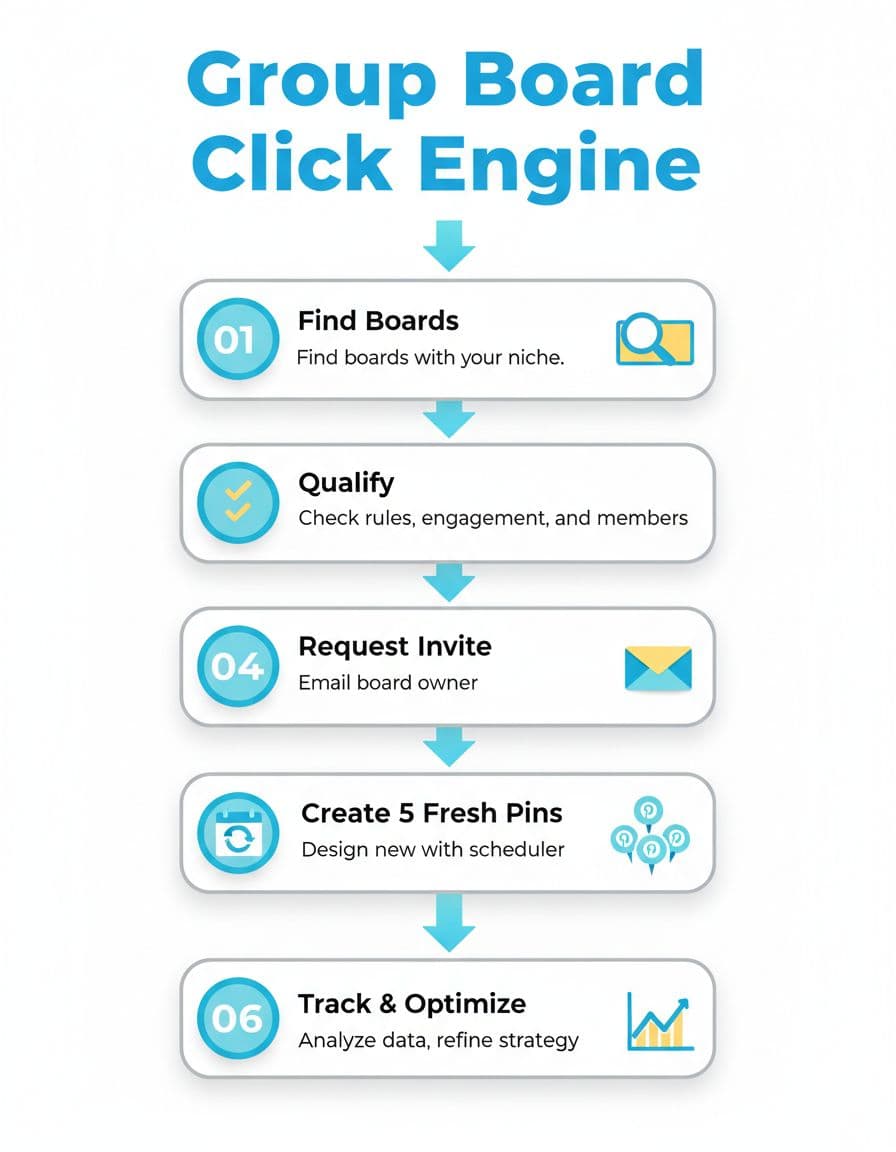
Here’s the system that holds up in 2026, even with Pinterest’s ongoing push for original, useful content:
- Find boards in your niche (manual search, creator profiles, and curated lists).
- Qualify boards with a quick scoring method (below).
- Request an invite with a short, specific message.
- Create 5 fresh pins per day (new images, new copy angles, same URL is fine).
- Schedule and rotate to avoid bursts (consistent beats chaotic).
- Track and optimize weekly based on outbound clicks, not vibes.
That’s it. No secret handshake, no “pin 200 times a day” nonsense.
Vet Group Boards First (Before You Spend a Week Pinning into a Void)
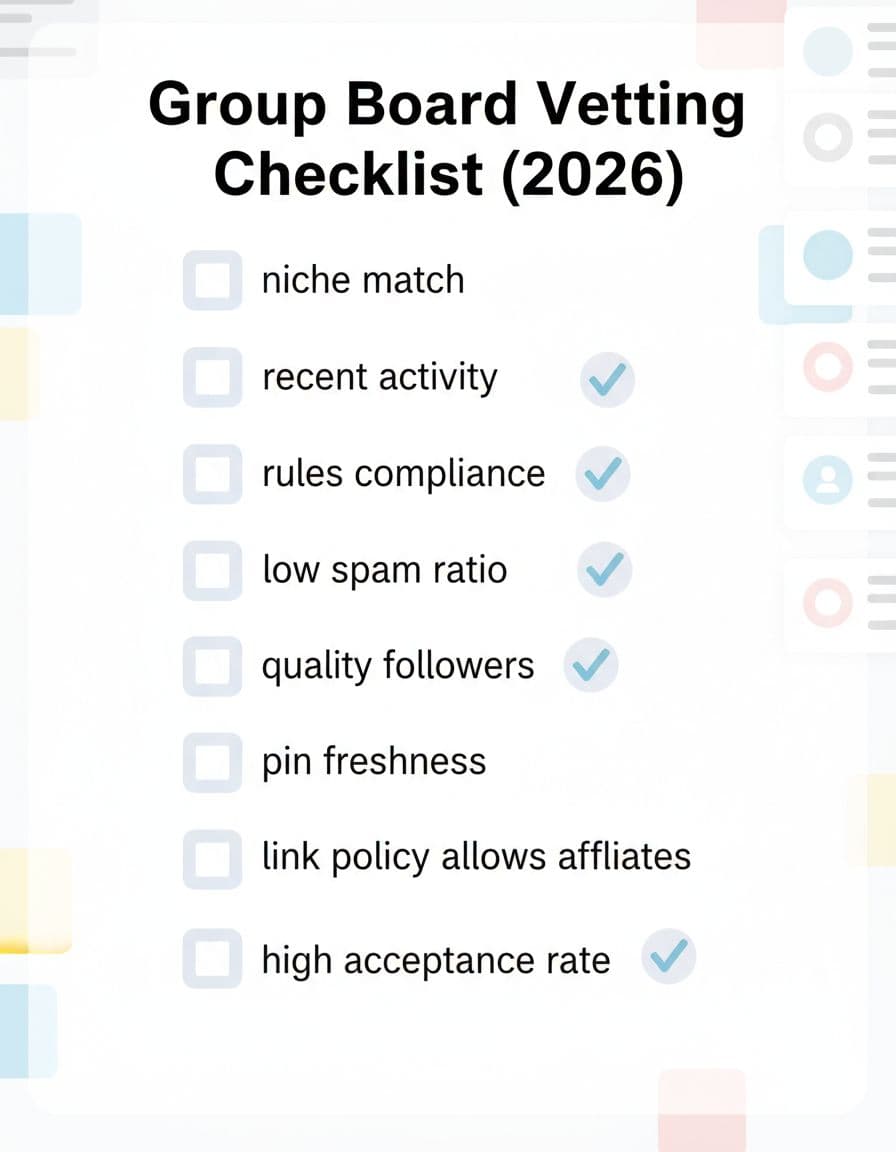
A “big follower count” board can still be dead. A smaller board can still send clicks. You’re looking for signs of life and signs of quality.
Group board vetting scorecard (0 to 25)
| Factor | What to check fast | Score (0 to 5) |
|---|---|---|
| Niche match | Board title, description, and last 30 pins | 0-5 |
| Recent activity | New pins in last 7 days | 0-5 |
| Spam ratio | Do pins look like unrelated link dumps? | 0-5 |
| Fresh pin culture | Multiple new creatives, not repeats | 0-5 |
| Link policy | Rules allow affiliate links or blog links | 0-5 |
How to use it:
- 20 to 25: priority board, worth consistent pinning
- 15 to 19: test for 14 days, keep only if clicks appear
- Under 15: skip (your time is also a budget)
For another perspective on common group board pitfalls (and why many feel “spammy”), this breakdown is helpful: How to use Pinterest group boards to drive traffic.
Finding Good Group Boards Without Joining “Spam Cities”
Start with Pinterest search: type your niche + “group board” or “contributors.” Open boards and scan the last 20 to 30 pins. You’ll spot spam fast.
You can also use curated lists as a starting point, then apply your scorecard. Example: Ultimate list of Pinterest group boards.
One rule that saves hours: if the board has messy topics (recipes next to crypto next to dog sweaters), it won’t help your affiliate clicks.
Outreach That Gets You Accepted (3 Templates)
Keep messages short. Board owners are busy, and they’ve seen every copy-paste pitch known to humankind.
Template 1: Simple and specific
Hi [Name], I love your board [Board Name], especially the recent pins about [specific topic]. I publish [your niche] content and can contribute [X] fresh pins per week that match your rules. Would you be open to adding me as a contributor? My profile: [profile link]. Thanks!
Template 2: Rule-first (works well for strict boards)
Hi [Name], I read your board rules and can follow them (fresh pins, [posting limit], and niche-only). I post about [topic] and design original pins. If you’re accepting contributors, I’d appreciate an invite. Profile: [profile link].
Template 3: Proof without bragging
Hi [Name], quick request to join [Board Name]. My content focuses on [niche], and my pins usually earn saves and outbound clicks from search-based traffic. I’ll post [X] fresh pins weekly and stay on-topic. Profile: [profile link]. Thank you!
Pin Creation That Wins Clicks (Templates + Copy Formulas)
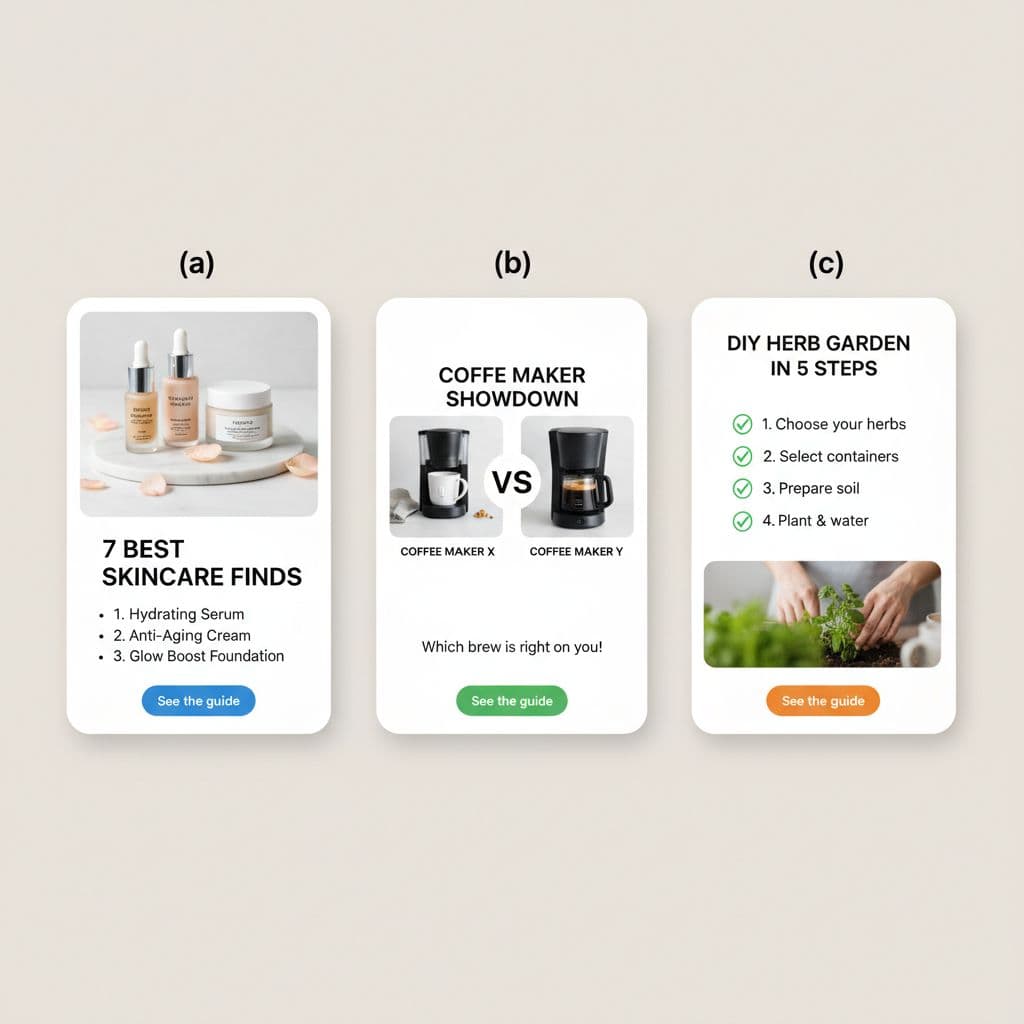
Group boards won’t save weak pins. Your goal is to earn the click by being clear, not clever.
3 pin template ideas (affiliate-friendly)
Listicle pin: “7 tools for [result]” (great for roundups and marketplaces)
Comparison pin: “[Option A] vs [Option B] for [use case]” (high intent)
How-to checklist pin: “Do this in 10 minutes” style (fast win, strong saves)
Copy formulas that don’t feel like late-night infomercials
- Outcome + timeframe: “Build your first email list in 7 days (simple steps)”
- Problem, then fix: “Stop wasting pins on dead boards, use this vetting score”
- Audience callout: “For new affiliates: a low-tech traffic plan”
- Comparison hook: “Best [tool] for beginners vs advanced users”
- Checklist promise: “[Number] steps to set up [thing] today”
For a broader look at affiliate strategy on Pinterest (including content types and policy-minded tips), see: How to use Pinterest for affiliate marketing.
Daily and Weekly Workflow to Target ~200 Free Clicks/Day
The click target comes from volume plus quality plus consistency. A practical starter pace:
Daily (45 to 60 minutes)
- Publish 5 fresh pins to your own boards first (keyworded titles and descriptions).
- Add 2 to 5 of those pins to your best group boards (follow rules, don’t flood).
- Reply to 1 outreach message or send 1 new request.
- Save 5 minutes for comments, DMs, or board rule updates.
Weekly (60 to 90 minutes)
- Review top pins by outbound clicks and saves.
- Make 10 new fresh pins for your top 2 URLs (new images and angles).
- Drop low-scoring boards and replace them with 1 to 2 new tests.
Consistency is what builds momentum. Random bursts usually build headaches.
Tracking That Proves What’s Working (UTMs, Analytics, Cloaking Caveats)
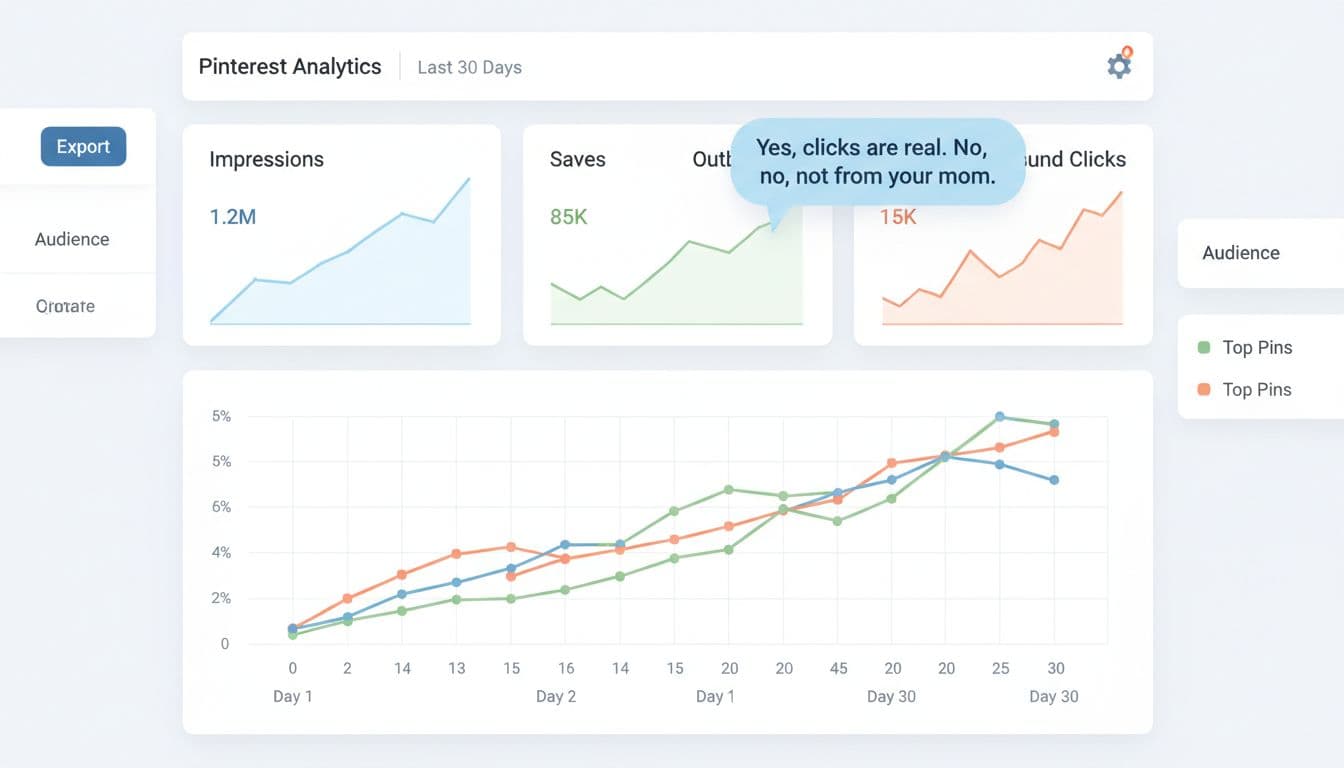
If you can’t track it, you can’t scale it.
Use UTM tags on every pin URL so you know which board and creative produced clicks. Example structure:
utm_source=pinterest, utm_medium=groupboard, utm_campaign=offer-name, utm_content=pin-template-a
Check Pinterest Analytics weekly for:
- Outbound clicks (your main KPI)
- Saves (a sign your pin has life)
- Top pins (double down with new creatives)
- Top boards (keep winners, prune losers)
Link cloaking caveat: Some affiliate programs don’t allow link shorteners or redirects. Others allow them if the final destination is clear. Always read the program terms first, and avoid anything that looks like a “mystery link.” Clean and honest wins long-term.
For additional 2026-focused Pinterest affiliate tactics and measurement ideas, this is worth skimming: Pinterest affiliate marketing guide (2026).
FTC Disclosure: Simple, Visible, Non-Negotiable
Affiliate marketing is a business, not a magic trick. Disclose clearly.
Where to place disclosures
- On the pin: in the pin description, near the top
- On the landing page: before the first affiliate link (or at the top of the post)
- In emails: near the first affiliate link
Disclosure examples (pick one and be consistent)
- “This pin contains affiliate links. If you buy, I may earn a commission.”
- “Affiliate disclosure: I may earn from qualifying purchases at no extra cost to you.”
Conclusion
Pinterest group boards can still drive serious free affiliate traffic in 2026, but only when you treat board choice like a screening process, not a scavenger hunt. Use fresh pins, stay on-topic, track every link, and drop boards that don’t earn clicks. Keep your outreach polite, your pins clear, and your disclosures obvious. Do that for 30 days, and 200 clicks a day stops sounding like a dream and starts looking like a plan.

My Name Is Rafael Ferreras. I share practical tips, tools, and resources to help make building income online simpler and more approachable. I am a professional digital marketer with over 14 years of experience in the industry. My expertise is in email marketing and boosting conversions with bridge pages. I write about affiliate marketing and traffic generation.