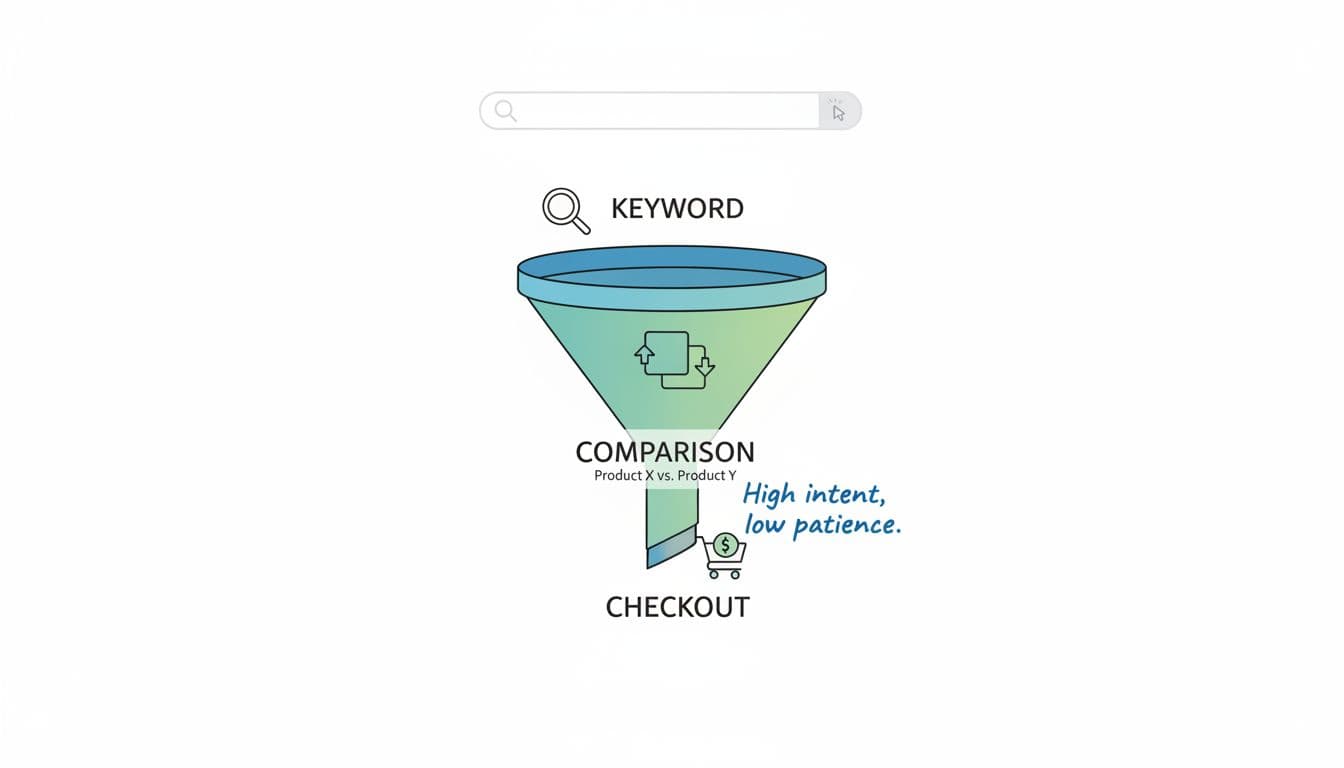


“Best for Beginners” posts should feel like a helpful friend handing you a short list, not a salesperson handing you a receipt.
If your audience wants to make money online and quit a 9-to-5, they’re not shopping for “features.” They’re shopping for fewer wrong turns, less tech stress, and a first win that proves this can work.
The trick is simple to say and harder to do: recommend one tool as your top pick, while still making readers feel in control. No pressure, no guilt, no “act now.” Just clear logic, honest tradeoffs, and an easy next step.
Why “Best for Beginners” roundups convert when they feel like a diagnosis
A beginner roundup sells when it answers the question behind the question.
The surface question is: “What tool should I use?”
The real question is: “What’s the safest choice when I don’t know what I’m doing yet?”
In 2026, readers expect transparency. They’ve seen the fake screenshots, the too-perfect claims, and the “I made $10,000 by Tuesday” energy. They want you to show your work. That’s good news, because trust is a stronger closer than hype.
Start by framing the post like a quick diagnosis:
- Where are they starting from, zero audience or small list?
- What do they want first, a website, traffic, emails, or all of it?
- What’s their tolerance for setup, some tinkering or none at all?
A roundup becomes pushy when it skips that diagnosis and jumps straight to “Buy this.” A roundup becomes persuasive when it says, “Here’s what beginners usually get wrong, and here’s the tool that reduces that risk.”
If you want a solid walkthrough of the roundup structure, see this product roundup writing guide for ideas on layout and what to include.
One more trust move: state your definition of “beginner.” Not “anyone who wants success.” Define it as “someone who has limited time, limited budget, and would prefer not to learn twelve new dashboards this week.” That makes the post feel tailored, not generic.
And yes, include the phrase plainly: you’re picking the best tools beginners can use without needing a second brain.
Build fair criteria first, then your “one-tool” recommendation feels earned
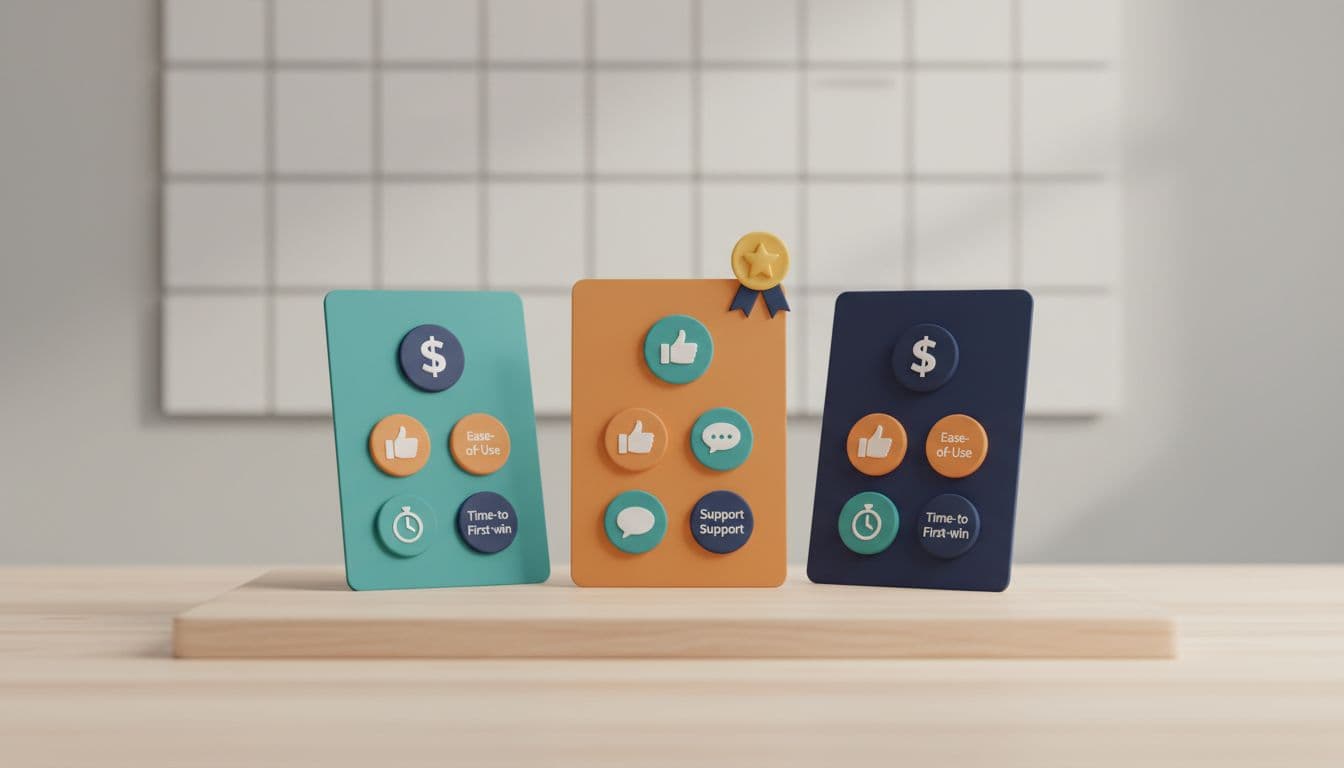
Here’s the secret: you can recommend one tool strongly if you also show how you could have chosen differently.
That means your roundup needs a visible “grading system.” Not a complicated spreadsheet, just clear criteria that match beginner outcomes.
A quick “Beginner Filter” can look like this:
| Beginner filter question | Why it matters | What to look for |
|---|---|---|
| Can I set it up in one weekend? | Momentum beats perfection | Quick start, templates, guided setup |
| Will I know what to do next? | Beginners stall without a path | Step-by-step training, checklists |
| Can I get help fast? | Small blocks become big quits | Live chat, active community, support docs |
| Does it work without extra tools? | Tool stacking gets expensive | Built-in basics, clean integrations |
| What’s the honest downside? | Trust comes from tradeoffs | Limits, learning curve, extra costs |
Once you’ve written the criteria, pick three to five options that genuinely fit. Then choose a “Best Overall for True Beginners” winner using plain reasoning.
To avoid sounding pushy, make your top pick conditional:
- Choose Tool A if you want the simplest setup and a guided path.
- Choose Tool B if you already have traffic and want more control.
- Choose Tool C if budget is tight and you can trade time for savings.
That structure tells readers, “I’m not hiding the ball.” It also makes your top pick feel like a recommendation, not a trap.
If you want a clean step-by-step outline for structuring the article itself (intro, criteria, picks, FAQs), this how to write a product roundup in steps is a useful reference.
Write the top pick like a helpful guide, with scripts you can copy
A non-pushy recommendation sounds like someone offering a seat, not blocking the door.
Use language that keeps the reader in charge, and anchor your top pick to a beginner outcome (first site live, first lead captured, first commission-ready page). Add one honest drawback so it doesn’t read like fan mail.
Ready-to-copy phrases that recommend one tool without pressure
Softener phrases (reduce “sales voice”)
- “If you want the simplest start, this is the one I’d pick.”
- “For most beginners, this is the least frustrating option.”
- “If you’re still deciding, start here, you can switch later.”
Boundary-setting lines (build trust fast)
- “If you enjoy tinkering, you might prefer a more advanced tool.”
- “If your budget is your main constraint, this isn’t the cheapest.”
- “If you want total control from day one, this may feel limiting.”
Why it’s #1 for beginners (short script)
- “My top pick is [Tool Name] because it gets you to [first win] faster, with fewer moving parts. The tradeoff is [real downside], but for beginners, that’s usually a fair price for clarity.”
Alternatives without undermining yourself
- “If you already have [asset like traffic/list], look at [Alternative]. It rewards experience.”
- “If you need the lowest cost, [Alternative] works, just expect more setup.”
Non-salesy CTAs that still convert
- “If you want the simplest path, take a look at [Tool Name] and see if it matches your style.”
- “If you’re ready to start this week, [Tool Name] is the cleanest first step.”
For more help keeping affiliate content reader-first, this affiliate content formula guide has good reminders on matching intent and staying useful.
Affiliate disclosure (FTC-friendly)
Some links in this post may be affiliate links. If you choose to buy through them, I may earn a commission at no extra cost to you. I only recommend tools I believe are a good fit for beginners, and you should pick what matches your budget, goals, and comfort level. Results vary, and no tool can promise income.
Conclusion: recommend like a coach, not a closer
A “Best for Beginners” roundup sells because it reduces risk, not because it turns up the volume. Build clear criteria, show real tradeoffs, then make one top recommendation with “if this is you” logic. That’s how you stay honest and still guide readers to a decision.
If you want a calm, simple start, pick one tool that gets you to a first win quickly, then earn the right to upgrade later. The only wrong move is waiting for the perfect tool while your goals sit in the parking lot, engine off, pretending it’s fine.

My Name Is Rafael Ferreras. I share practical tips, tools, and resources to help make building income online simpler and more approachable. I am a professional digital marketer with over 14 years of experience in the industry. My expertise is in email marketing and boosting conversions with bridge pages. I write about affiliate marketing and traffic generation.